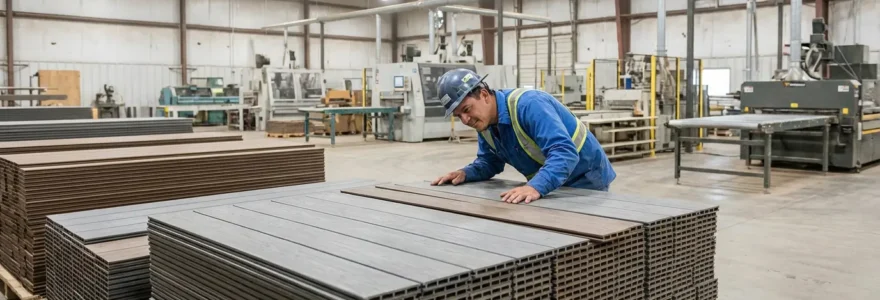
The samples looked perfect. The certifications checked out. Three months later, Marcus—a contractor from Texas I consulted last year—was staring at a container of WPC decking with the wrong texture finish. It took three rounds of corrections before the factory matched what he actually ordered. His project? Delayed two weeks. That shipment cost him a client relationship.
Factory sourcing in 60 seconds
- Request production samples, not showroom samples—they differ
- Verify certifications match your target market (ASTM for US, CE for EU)
- Expect 75-90 days from inquiry to delivery, not the 30 days factories quote
- Skip the audit, accept 20-30% rework risk on your first container
Why Factory-Direct WPC Sourcing Fails (And How to Avoid It)
I’ve reviewed dozens of sourcing relationships that went sideways. Same pattern every time. The buyer finds a factory on a B2B platform, requests a quote, receives beautiful samples, and places a container order. Then reality hits.
The root problem? Buyers accept factory certifications at face value without verifying actual production capabilities. In my experience reviewing supplier relationships, buyers who skip factory verification often face significant quality variance—I’ve seen rework rates reach 20-30% when certifications aren’t backed by actual production audits. That’s not a minor inconvenience. That’s container-loads of panels that don’t match specs, sitting in your warehouse while your project timeline burns.
Consider the industry context: according to 2025 WPC market trends analysis, the EU introduced stricter construction product regulations this year. A certification from 2023 might not cover current requirements. Factories don’t always update their paperwork proactively.
Red flags that signal factory problems
- Samples arrive within days (likely pre-made showroom pieces, not production samples)
- Factory refuses video call of production floor
- Certifications show testing dates older than 18 months
- MOQ flexibility seems too good—real factories have capacity constraints
- Communication goes dark after payment received
A mid-size European distributor I consulted faced this exact scenario in 2023. First container order from a new WPC factory. Color inconsistency across batches. The problem? No pre-production sample approval process established. They negotiated a partial refund, but the project deadline? Gone. The lesson cost them a client and about €8,000 in margin.
The sourcing landscape keeps evolving. Those interested in broader material trends should explore innovations in sustainable construction materials to understand where WPC fits in the building materials ecosystem. But for now, focus on not becoming another cautionary tale.
5 Non-Negotiable Quality Checks Before Your First Order
The most common mistake I see buyers make: treating all WPC panels as commodities. They’re not. Quality varies dramatically between factories, and the verification framework matters more than the quoted price.
According to quality rating standards for WPC panels, specific certifications apply to specific markets. ASTM E84 requires panels to meet Class A or B flame spread index for the American market. EN 13501-1 requires B-s1, d0 rating for European applications. ISO 9001 quality management certification has become the baseline—if a factory doesn’t have it, walk away.
Your 5-point WPC quality verification
-
Request production samples, not showroom samples—specify this explicitly in writing
-
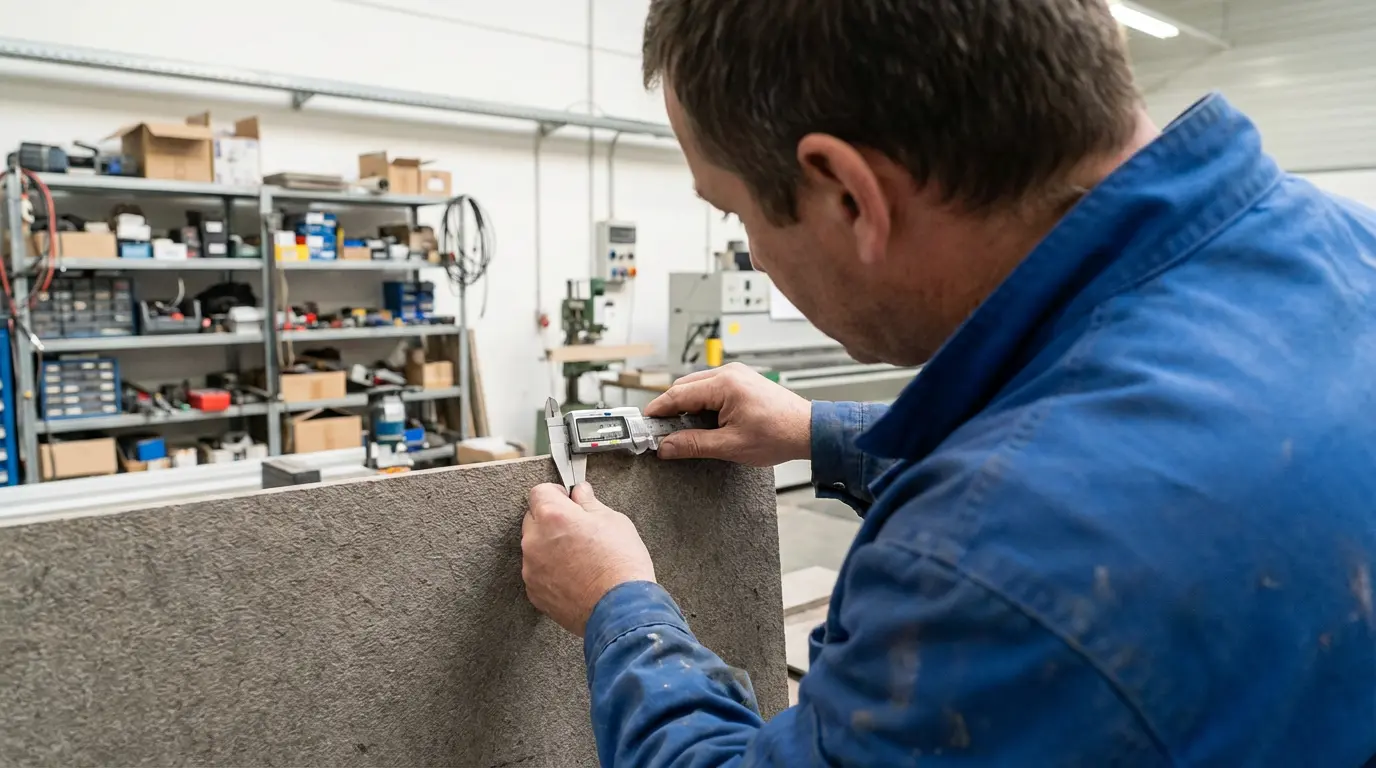
Verify water absorption rate ≤1.5% after 24 hours (ask for test report)
-
Confirm wood-to-plastic ratio is between 60:40 and 70:30 for structural integrity
-
Check fire rating certification matches your target market requirements
-
Request video of your specific batch during production—not stock footage
On the material composition: quality manufacturers use wood flour and plastic ratios typically between 60:40 to 70:30, according to WPC sourcing guide from China. Cheaper factories skimp on wood content. You’ll notice the difference in weight, durability, and how the panels hold color over time.
The cost question: Sourcing from China typically saves 30-50% compared to domestic suppliers. But that margin disappears fast if you’re dealing with quality issues. Factor in third-party audit costs (a fraction of your order value) as insurance, not expense.
When you’re ready to evaluate specific suppliers, manufacturers like xhwood.com allow you to verify production capabilities before committing. Ask for their test reports, sample policies, and production videos—legitimate factories won’t hesitate.
From Quote to Container: What Really Happens
Factories quote 15-30 day production times. Here’s what I’ve actually seen across dozens of orders.
The reality according to shipping times China to USA 2025: regular sea freight alone takes 27-35 days. That’s just transit—after your panels leave the factory. Add production time, quality checks, and the inevitable back-and-forth on specifications. Industry-wide schedule reliability sits around 62%. Plan accordingly.
62%
Schedule reliability for China-USA container shipping
-
Initial inquiry and quote received -
Sample request submitted -
Sample arrival and evaluation -
Order confirmation and deposit -
Production complete -
Delivery (sea freight to US West Coast)
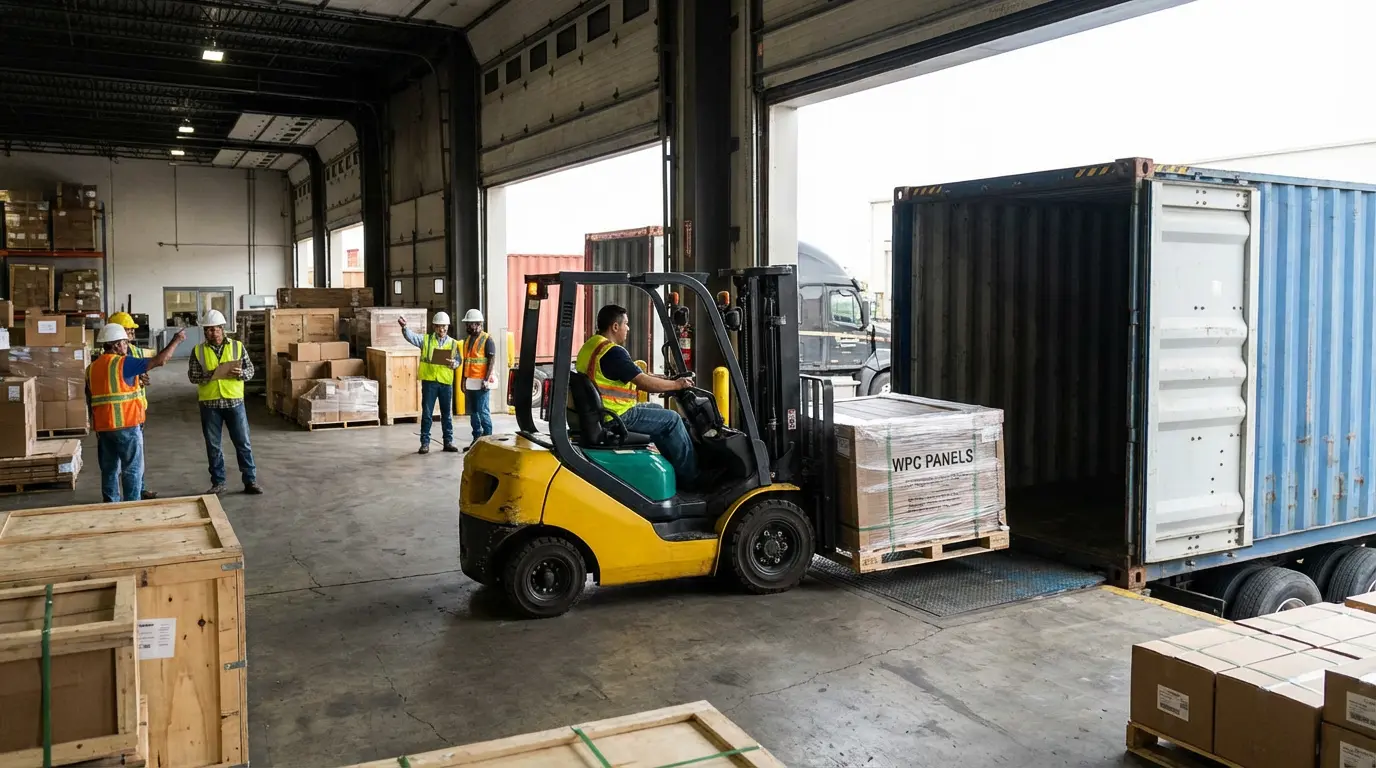
The pricing picture: WPC wall panel prices in 2025 range between $8 to $18 per square meter depending on specifications, quality tier, and order volume. FCL shipping for a 40-foot container on the China-USA route runs $4,200 to $7,800. Factor both into your landed cost calculations before comparing supplier quotes.
Your Questions on WPC Factory Sourcing
Your WPC sourcing questions answered
What’s the typical MOQ for WPC panels from Chinese factories?
MOQ requirements vary significantly. I’ve seen wall panel MOQs around 200 square meters, fence products around 100 linear meters. Some factories accept mixed containers—different products combined to hit their minimum. First-time buyers: negotiate. Many factories flex on MOQ for buyers who demonstrate repeat order potential.
How do I verify factory quality without visiting in person?
Three approaches work: Request live video calls showing the production floor (not recorded tours). Order production samples specifically—not showroom pieces. Hire a third-party inspection service to conduct an ISO 9001-aligned factory audit before your first order. The audit cost represents a small fraction of your typical container value.
What if the delivered panels don’t match samples?
This is why pre-production approval matters. Build it into your purchase agreement: factory sends photos/video of your specific batch before shipping, you confirm in writing, then they load the container. Payment terms help too—hold final payment until you’ve inspected goods at destination. Legitimate factories understand this protects both parties.
Factory-direct versus trading company: which is better?
Factory-direct gives you price control and specification flexibility. Trading companies offer convenience—they handle multi-factory sourcing, quality control, consolidation. For your first order, a reputable trading company reduces risk. Once you’ve identified reliable factories, going direct improves margins. The hybrid approach: use trading company initially, then develop direct relationships with their best-performing suppliers.
For buyers working through the supplier evaluation process, this guide to choosing your factory partner covers the broader decision framework that applies across building material categories.
Your Next Move
Factory-direct WPC sourcing works. When it’s done right.
The buyers I’ve seen succeed share one trait: they treat sample evaluation as a multi-round process, not a formality. They ask uncomfortable questions. They request documentation that lazy suppliers won’t provide. They plan for 90-day timelines when factories promise 30.
Start with one supplier. Order samples—production samples, specifically. Run your quality checks. Place a trial container before committing to volume. The 30-50% cost savings are real, but only if your panels actually meet spec when they arrive.